CINEMA
Why film runs at 24
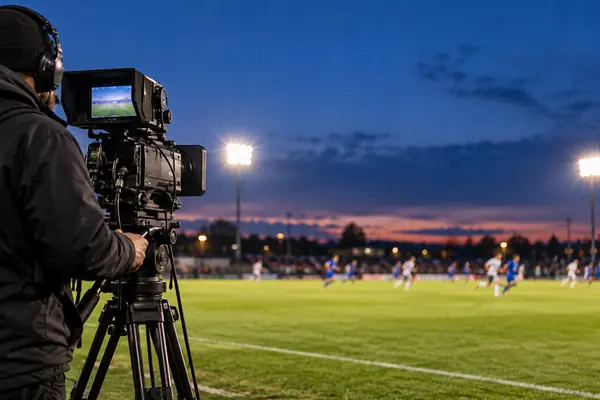
Silent film speeds were not standard. With sound-on-film in the 1920s, film settled on 24 frames a second, each frame flashed two or three times to hide flicker.
Compare the rates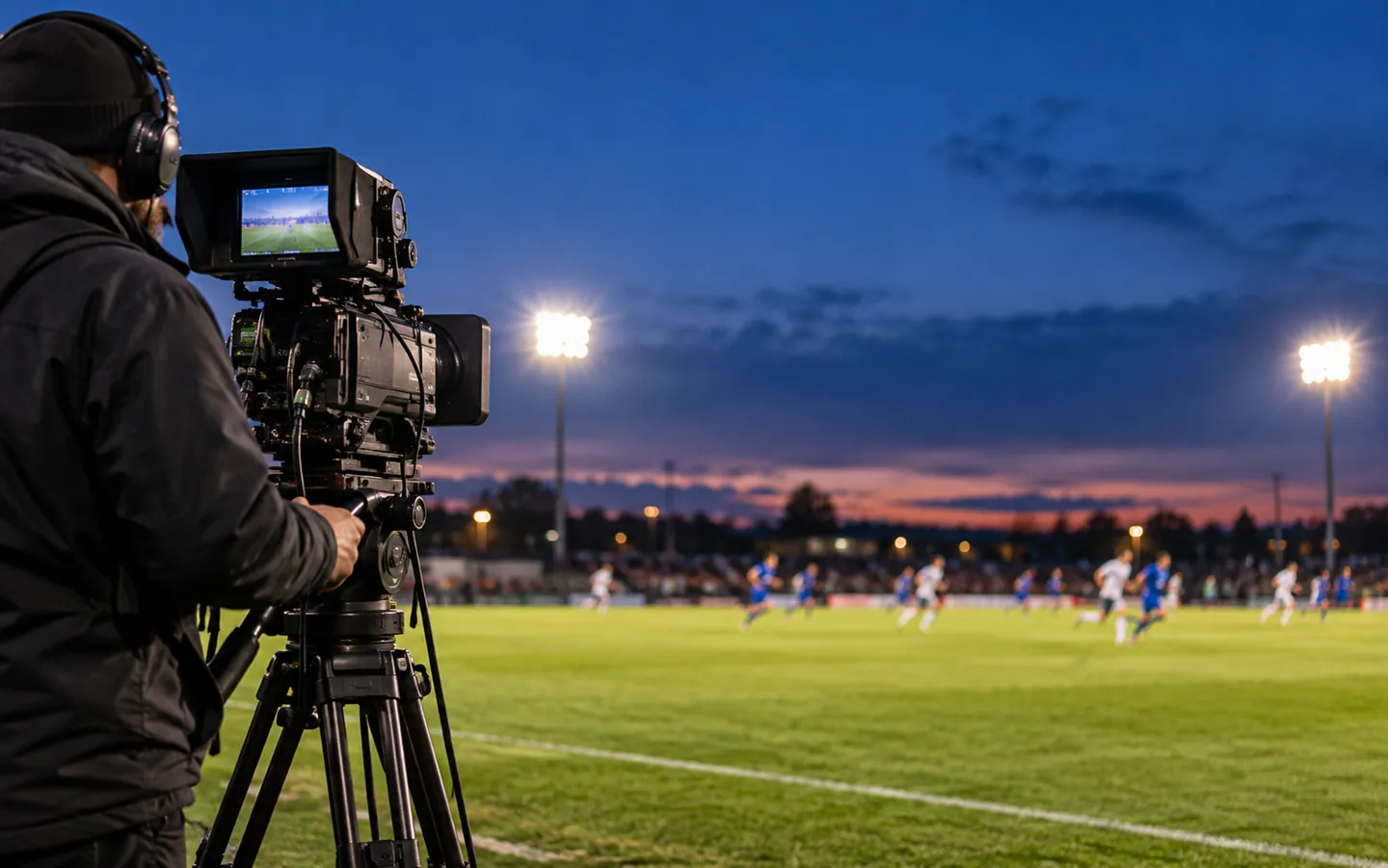
 hdproreviews
FRAME RATES, IN PLAIN ENGLISH
24 · 25 · 50 frames per second
A picture can be pin-sharp and still smear in motion.
Film settled on 24 frames a second in the sound era, and UK television has followed the 50 Hz mains since 1937. BBC research shows why those old rates show their age on today's big, high-definition screens.
Updated
Compare frame ratesTHE SHORT ANSWER
Frame rates were fixed decades ago.
Bigger, sharper screens make their limits easier to see.
CINEMA
Silent film speeds were not standard. With sound-on-film in the 1920s, film settled on 24 frames a second, each frame flashed two or three times to hide flicker.
Compare the ratesTELEVISION
Since 1937, UK television has used a field rate equal to the 50 Hz mains, partly so pictures would not beat against the flicker of studio lights.
See the numbersSPORT
BBC engineers found that when a camera pans fast, the extra detail of HD can vanish in the direction of motion. Higher frame rates bring it back.
What to look forA QUICK RATE CHECK
Pick a frame rate to see where it comes from and how it handles fast motion. The bar shows how well that rate keeps moving detail sharp, based on BBC research.
Based on BBC Research white papers WHP 169 (2008) and WHP 053 (2002). General information about picture quality, not a buying recommendation.
TWO NUMBERS WORTH KNOWING
One figure from the power grid,
one from BBC research on HD motion.
50Hz
Great Britain's grid frequency
Britain's electricity system operator keeps the grid frequency close to 50 Hz, within a 1% range. UK television field rates have matched the mains since the 405-line service of 1937.
THE MAINS · NESO
3 pixels a frame
Speed at which HD's extra detail is lost
BBC research says motion faster than three pixels per field or frame wipes out all the extra detail gained by high definition, in the direction of motion.
HD MOTION · BBC R&D
BBC Research also notes that doubling the frame rate is not expected to double the bandwidth of a compressed signal, because frames that are closer in time differ less from one another.
FOUR THINGS TO WATCH FOR

You do not need test equipment. These are the moments BBC engineers used to judge motion, and you can spot them on any screen at home.
Look at the background, not the subject. On a sharp screen, detail that is crisp when still can smear as the camera turns.
Fast, small objects such as a tennis or table-tennis ball show blur and jumps first. BBC tests found 100 fps was still not enough for table tennis seen side-on.
In 24 fps film, an object the eye follows can look doubled or jumpy. That is film judder, and film-makers use slow pans and shallow focus to soften it.
Some LCD TVs add motion-compensated frame doubling to cut blur. BBC research notes it helps, but can add artefacts when motion is hard to predict.
WHY SHARPER IS NOT ENOUGH

BBC engineers separate a picture's static resolution, how much detail a still frame holds, from its dynamic resolution, how much survives when things move. HD raised the first without changing the frame rate, so motion now limits what you see.
Their 2008 conclusion was that higher capture and display frame rates bring a step change in picture quality whatever the resolution, and that frame rates should rise along with any further increase in detail.
Questions
In the silent era speeds were not standardised. With the arrival of sound-on-film in the 1920s, film speeds settled at 24 frames per second, according to BBC Research.
Since the 405-line service of 1937, UK TV has used a field rate equal to the 50 Hz mains, partly to avoid beating against flickering studio lights. A 25 fps film frame fits neatly into two fields.
Not in itself. Each rate was chosen to match the local mains, 50 Hz in Europe and 60 Hz in the USA, and both sit just above the 40 Hz once found necessary to avoid visible flicker on early TV screens. At 50 Hz a film frame fits neatly into two fields, while 60 Hz needs a process called 3:2 pull-down. BBC research says the motion problems of both rates become more visible as screens get larger.
They measure different things, and UK HD already uses 50. HD describes resolution, how much detail a still frame holds; 50 fps or 50 Hz describes how many frames or fields are shown each second. UK HD kept the 50 Hz rate, and BBC engineers found that fast motion can wipe out all the extra detail HD adds, in the direction of movement. Their 2008 conclusion was that higher frame rates bring a step change in picture quality whatever the resolution.
Not on its own. BBC research found that fast motion can remove all the extra detail of HD in the direction of movement, and the effect grows as resolution and screen size grow. Higher frame rates address it.
ITU-R Recommendation BT.2020 lists frame frequencies of 120, 100, 60, 50, 30, 25 and 24 Hz, plus 1.001 variants, all progressive.
Not for compressed video, BBC Research suggests. Frames closer together in time change less, so doubling the frame rate is not expected to come close to doubling the bandwidth.
Four checks help. Motion settings: some LCD TVs add motion-compensated frame doubling to cut blur; BBC research notes it helps but can add artefacts when motion is hard to predict, so look for a setting you can adjust. Frame rates: UK broadcasts use 50 Hz, and the ultra-high definition standard BT.2020 lists rates up to 120 Hz, so check the set handles the rates of what you watch. Size: BBC research says motion problems become more visible as screens get larger, so judge a big screen on moving pictures, not stills. A pan test: if you can, watch a fast camera pan or a ball in play before you decide, because detail that is crisp when still can smear in motion.
Sources
ABOUT THIS NAME
hdproreviews.com is part of the DoodleSale portfolio. It isn't in an auction right now, but you can ask about leasing it.